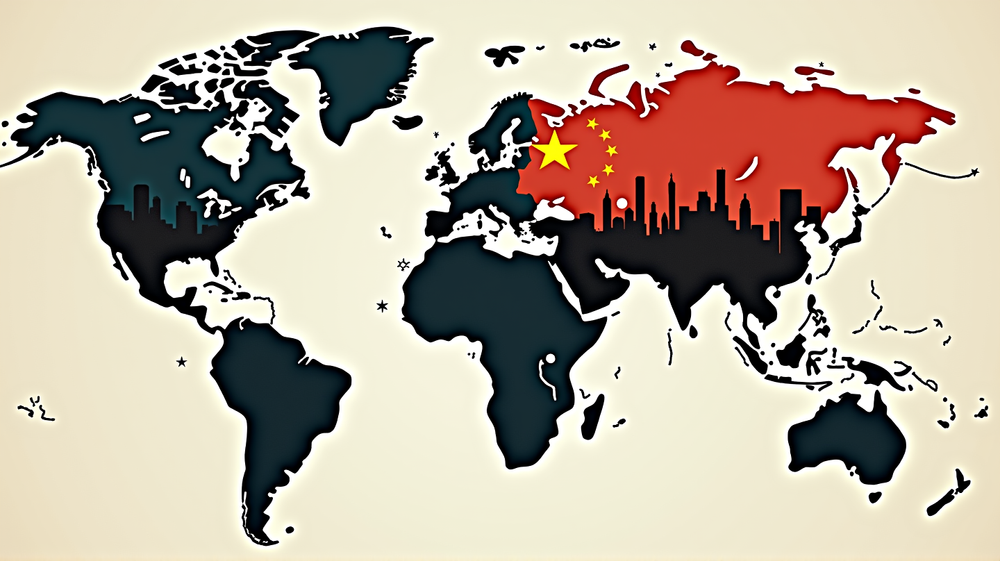
Amidst a whirlwind of global strategies, the recently unveiled document by the Trump administration may set the stage for a new era in American foreign policy. With a profound departure from the past, this fresh approach pivots American focus from the familiar sands of the Middle East to the bustling corridors of European diplomacy and the economic battleground of Asia.
Reimagining US Sovereignty
In the heart of this strategy lies a robust reaffirmation of American sovereignty. According to www.israelhayom.com, the document heralds an era where the US seeks to fortify its borders and bolster its military might. This all-encompassing vision includes maintaining an unrivaled nuclear deterrent and a dynamic economic front. The United States strives not only for national prosperity but to cement its status as a global leader in technological advancements, particularly in fields like artificial intelligence and quantum computing.
A Renewed Monroe Doctrine
A noteworthy return to historical ideology sees the revival of the Monroe Doctrine, emphasizing the Western Hemisphere as a zone of unique American influence. Under Trump’s directive, foreign players, particularly those with strategic aspirations, find themselves under scrutiny as the US fortifies its stance against competitive control in the region. Rumblings from the administration regarding Greenland and tensions in Latin America illustrate this strategic commitment.
The European Theatre
Europe faces a new American gaze, one that critiques its internal dynamics as much as its capacity to bear collective defense burdens. The thrust for Europe to ramp up its defense spending and act as a cohesive group of sovereign states underscores America’s recalibrated expectations. The Pentagon’s implicit deadlines have placed Europe on a fast track to assume more significant defense roles within NATO.
Civilizational Concerns
The strategy highlights what Washington perceives as “civilizational erasure” within Europe, fueled by migration policies and a purported loss of national identity. Calls for internal resistance kindle diplomatic unease, reflecting Trump’s direct engagement in European domestic matters.
Rising Asian Dynamics
In Asia, the document pins China as a central adversary—a node of economic threat and cyber subterfuge. Trump’s vision, mirroring previous “pivot to Asia” strategies, seeks not just to balance but deter potential military clashes, with Taiwan held as a crucial, non-negotiable priority area for US interests.
Waning Middle Eastern Influence
The Middle East, once a mainstay of US foreign policy, finds itself relegated to a secondary role. The Trump administration hails its regional successes, spotlighting the Abraham Accords and diminishment of Iranian influence. Emphasizing partnerships over wars, the focus pivots toward maintaining the security of key allies like Israel while steering clear of prolonged conflict.
Conclusion
Such dramatic policy departures not only signal shifted priorities but underscore the administration’s commitment to recalibrating America’s role on the global stage. Whether embracing historical doctrinal rebirths or challenging old alliances, the Trump strategy seeks to craft a future where America prioritizes its close-knit sphere, with Europe and Asia taking central roles in this evolving geopolitical chessboard.