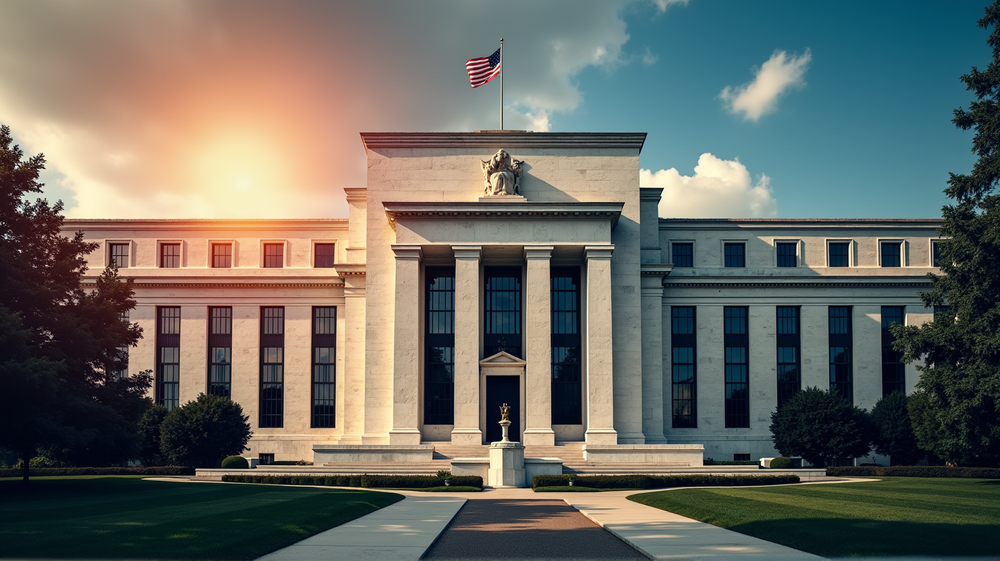
Understanding the mechanics behind the Federal Reserve’s interest rate cuts can be both a wonderfully complex and troublingly familiar journey. In their latest move, the Federal Reserve has cut its benchmark interest rates by a significant 1.5 percentage points over a little more than a year—a decision that stirs memories of economic actions from decades past.
Echoes of the Past: Reflecting on the 1960s
The Fed’s current rate-cut cycle reminds us of similar actions taken in the 1960s. Back then, economic policies were shaped in response to both external pressures and internal financial challenges. Today, as we find ourselves facing a parallel scenario, the question arises: what lessons from history can we learn to avoid repeating past mistakes?
The Rate-Cut Dynamics: More Than Just Numbers
Interest rate changes are more than mere shifts in numbers; they are lifelines for struggling economies or signals of impending trouble. As the Fed lowers rates, this move typically indicates concerns about economic stability or financial health. However, in this cycle, the intentions and outcomes appear more complex than ever. According to Bloomberg.com, such actions require careful scrutiny and proactive strategies.
The Financial System: Stability or Crisis?
The swift reduction in benchmark rates raises eyebrows. Is this bold step a proactive safeguard or a desperate response to underlying vulnerabilities? With historical precedents providing a lens for caution, both policymakers and the public must navigate these waters carefully.
Market Reactions: Anticipating the Unexpected
How do markets digest these changes? Driven by past experiences and present data, market responses tell a story of caution intertwined with hope. Traders and investors are already analyzing and predicting the ripple effects of the Fed’s movements, searching for signals to guide their decisions.
Conclusion: A Blended Approach of Caution and Innovation
While history offers valuable lessons, the future demands innovative solutions. As we travel through this unusual rate-cut cycle, blending cautious insights from the past with fresh strategies promises a balanced approach to navigating economic challenges. Keeping an eye on historical parallels today might just be the key to better economic health tomorrow.