Iran’s Curiosity in Lebanon’s Dynamics
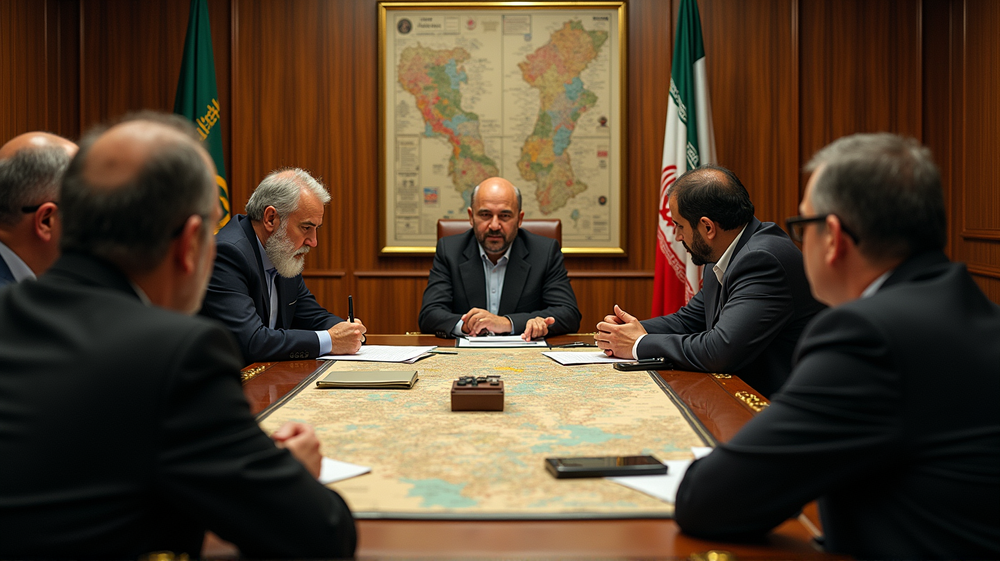
It appears the corridors of power in Tehran are echoing with a brewing discontent. Senior Lebanese diplomatic sources reveal that Iran is contemplating a major overhaul within Hezbollah, starting with potentially removing Secretary-General Naim Qassem. According to Erem News, Tehran casts a critical eye over Qassem’s leadership, finding him incapable of steering Hezbollah through turbulent times.
Shortcomings of Naim Qassem
At the forefront of this narrative is Iran’s concern that Qassem hasn’t quite lived up to the benchmark set by his predecessor, the formidable Hassan Nasrallah. The whispers in political circles criticize Qassem’s political finesse, attributing the chill in Hezbollah’s ties with the Lebanese government to his doorstep. A recalibration in Hezbollah’s leadership stands on the precipice, aiming to bolster both internal accords and external relations.
Tehran’s Oversight and Strategy
Iranian Foreign Minister Abbas Araghchi’s upcoming visit to Beirut will be pivotal. Tasked with assessing Hezbollah’s internal strife, his mission entails hands-on discussions with key Hezbollah figures. This reconnaissance trip is engineered to provide Iranian decision-makers with granular insights into the undercurrents shaping Hezbollah’s hierarchy, which feed into Tehran’s strategic recalibration process. According to i24NEWS, the upcoming changes might lead to unforeseen shifts in Hezbollah’s direction.
Anticipating Leadership Restructuring
There’s a hushed anticipation of radical changes as Iran meticulously repositions its chess pieces in the Middle Eastern theater. The findings from Araghchi’s mission may decisively alter the course for Naim Qassem, who now stands on shaky ground. For Tehran, Hezbollah isn’t just a regional proxy; it’s a cornerstone in its geo-political strategy in the Levant.
Conclusion: A New Era in Middle Eastern Politics?
The drama unfolding between Iran and Hezbollah signifies more than a mere leadership tussle. It encapsulates the intricate dance of power, influence, and stakes in a volatile political landscape. As Tehran maneuvers to assert its grip over Hezbollah, the outcome of this internal restructuring could ripple through the Middle Eastern political fabric, further realigning alliances and rivalries. The next few months promise to be a fascinating chapter in the annals of Middle Eastern diplomacy and governance.