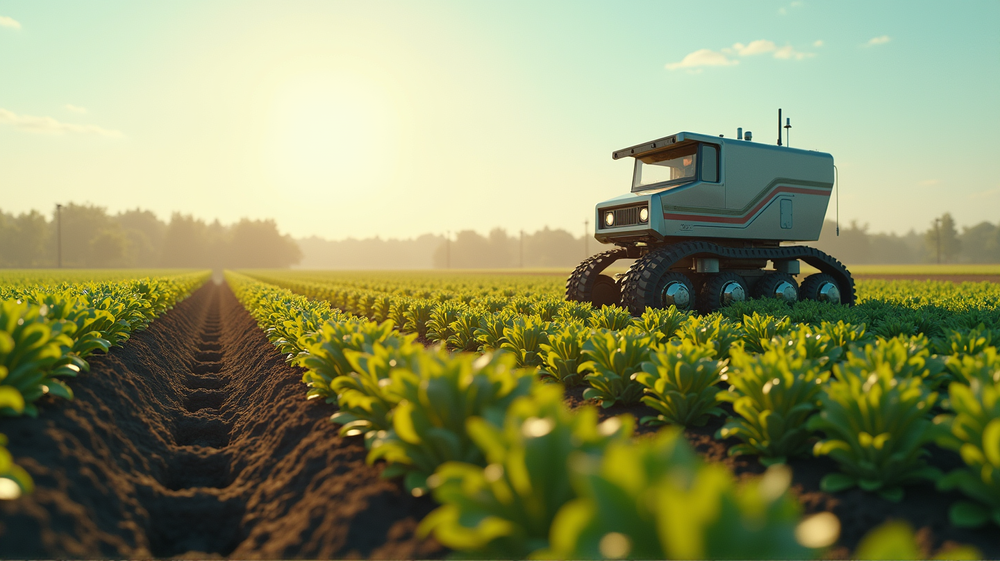
Smart agriculture is stepping into a new era by 2026, blending innovative soil sensors, robotics, and connectivity to reshape farming practices. As climatic challenges, labor shortages, and increasing resource costs pressurize the agriculture sector, these technological advancements promise a more predictable, automated, and efficient future. Yet, their successful implementation largely depends on the economics of connectivity.
Soil Sensors: The Heart of Agriculture’s Future
In recent years, soil monitoring technology has advanced significantly. By 2026, modern soil sensors offering multi-parameter measurements will become standard. They will deliver real-time insights into nutrient levels, salinity, and carbon sequestration, directly embedding data into farm management systems. This evolution from intermittent sampling to constant monitoring promises to optimize irrigation and fertilization, reduce waste, and increase yields, particularly in regions grappling with water scarcity. The driving force behind this progress is the development of ultra-low-power IoT hardware and long-range connectivity that ensures predictable operating expenses.
The Promise and Challenge of Agricultural Robotics
Robotic systems are becoming increasingly common for labor-intensive tasks like precision spraying and selective harvesting. Despite their growing capabilities and focus on safety and interoperability, integration issues persist. By 2026, solutions will emphasize fleet coordination and agronomic data synchronization, although the total cost of ownership remains a significant consideration for mid-size farms.
Connectivity Economics: The Keystone of Smart Farming
Smart farming’s success depends heavily on connectivity solutions. As the need for numerous sensors and telemetry endpoints persists, farmers must adopt diverse networking strategies. In 2026, technologies like LoRaWAN, NB-IoT, private 5G, and satellite IoT will create a fusion of connectivity solutions to support the autonomy and economics of smart farming systems. Moreover, connectivity will be bundled with services, influencing how it’s monetized beyond simple data transmission.
From Trial to Operational Interdependence
Smart agriculture is not just about standalone tools but integrated ecosystems where data-driven systems such as sensors and robotics work in harmony. This integration cultivates increased yield forecasting accuracy, dynamic resource allocation, and improved traceability. However, the divide between large-scale operations and smallholders raises concerns over equitable value capture from these technologies.
The Shift to Service-Centric Models
By 2026, a service-centric approach will dominate the agricultural IoT ecosystem, emphasizing bundled services over standalone products. Partnerships between connectivity providers and equipment manufacturers aim to offer comprehensive solutions involving hardware, connectivity and analytics. As resources like water and skilled labor become scarcer, ensuring smart technology’s economic accessibility and operational resilience will be vital for sustainable agricultural growth.
Conclusion
As farming enters an era enriched with smart technology, soil sensors, robotics, and economic connectivity will no longer be seen as experimental. Their success, however, will depend greatly on integrating cost-effective networks and data systems. IoT Business News to stay aligned with the evolving landscape of smart agriculture.