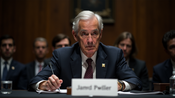
A Delicate Dance with Interest Rates
In a significant move aimed at stabilizing and potentially boosting the American economy, the Federal Reserve has slashed its key interest rate by a quarter-point, bringing it to its lowest level in nearly three years. This marks the third consecutive cut, signaling optimism about healthier economic conditions in the coming year. According to Alabama Daily News, this decision could bring relief to borrowers with mortgages, auto loans, and credit cards, though market dynamics will still play a role.
A Spectrum of Opinions
Federal Reserve Chair Jerome Powell’s recent announcement highlighted the central bank’s cautious optimism. Despite the rate cut, Powell emphasized pausing on further adjustments to closely monitor the economy’s trajectory, particularly in terms of hiring and inflation trends. However, not all Fed officials share the same vision. Noteworthy dissent within the 19-member rate-setting committee revealed diverse stances, ranging from those advocating for no cuts to others supporting multiple reductions next year.
In the Shadow of Inflation
Inflation remains a potent force shaping economic policy, with consumer prices having surged by 25% over the past five years. Powell expressed concern over persistent inflationary pressures, underscoring its volatility and unpredictability. As companies adjust prices, inflation might temporarily spike early next year before stabilizing, a scenario the Fed is closely watching. While the Fed typically uses rate cuts to spark economic activity amid rising unemployment, the current labor market’s unique challenges complicate straightforward solutions.
The Economic Forecast
Despite these concerns, there’s an air of cautious optimism regarding economic growth. Chair Powell projected a resilient economy, with consumer spending remaining robust and business investments in artificial intelligence infrastructure continuing. Yet the backdrop of a slowly weakening job market, with rising unemployment rates, adds complexity to the Fed’s challenge of balancing rate decisions. Powell’s legacy, as he presides over the Fed’s monetary policies for just a few more meetings, remains intimately tied to these economic dynamics.
The Road Ahead
As the Federal Reserve navigates this intricate path, all eyes will be on its upcoming meetings. Future decisions will depend heavily on emerging economic indicators and the broader national and global economic context. President Trump’s potential appointment of a new Fed Chair could bring a shift in policy direction, possibly advocating for aggressive cuts. This evolving landscape presents both opportunities and uncertainties for policymakers, economists, and everyday Americans alike.