An impassioned confrontation is underway in Israel, one that threatens to reshape the nation’s political landscape: the debate over the conscription of ultra-Orthodox Jews into the Israeli army. The issue has seen public opinion shift dramatically, especially following two years of complex regional conflicts that tested the Israeli military and society’s cohesion. According to BBC, the consequences of this debate are significant enough to potentially destabilize Israel’s current government.
A Historic Exemption in Jeopardy
For decades, ultra-Orthodox men have enjoyed exemptions from military service, based on a 1948 arrangement when the State of Israel was established. This status quo, heavily rooted in religious practice and societal tradition, was ruled illegal by Israel’s High Court of Justice years ago, but political maneuvering has kept the exemptions functional until recently. A challenging draft bill is now thrust into the Israeli legislative spotlight, seeking to end these long-standing exemptions.
Tension Erupts into Protests
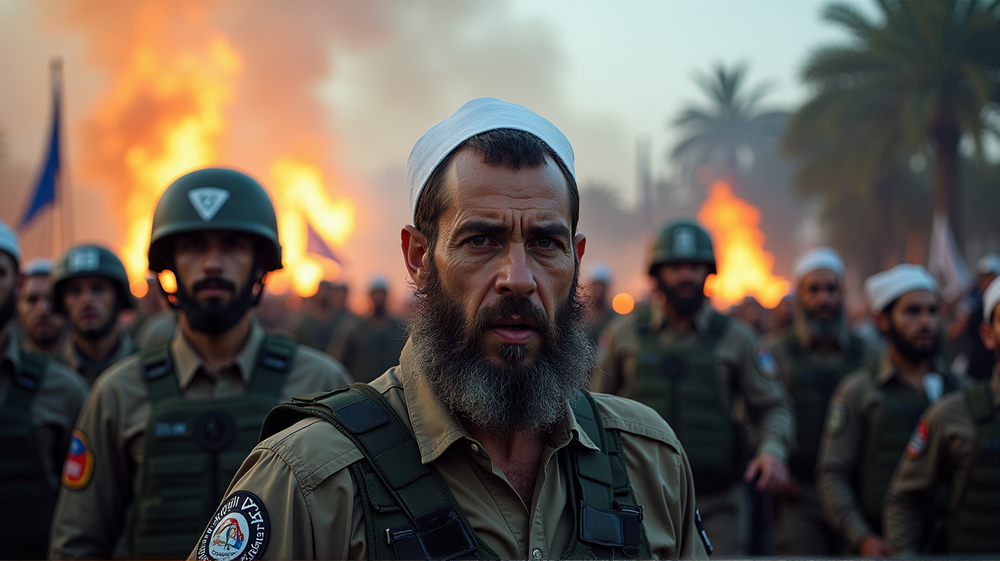
Protests erupted as tens of thousands of ultra-Orthodox men marched through Jerusalem, highlighting a cultural clash over Israel’s identity. The protests symbolize more than just opposition to military service—they’re emblematic of a broader cultural struggle over the nation’s future, pitting religious devotion against civic duty. For many Haredim, studying religious texts is considered as vital as any military contribution, offering protection they claim is spiritual as much as physical.
Divisive Opinions and a Potential Political Reckoning
As opinions across the political spectrum solidify, the conscription debate garners support even from religious Jews fatigued by the disproportionate burden on secular Israelis. The Israel Democracy Institute recorded overwhelming support for sanctions on those who evade the draft, pointing to shifting social mores. Yet, among Netanyahu’s ruling coalition and his ultra-Orthodox allies, fear persists that the conscription attempts could fracture his government if not delicately managed.
Challenges Within the Coalition
Prime Minister Netanyahu finds himself in a precarious position, balancing the demands of his ultra-Orthodox allies against growing national demand for equitable military service. Previous administrations have faltered over this issue, and Netanyahu’s current navigation is seen as critical for his political survival—particularly as he faces personal legal battles and seeks to solidify his legacy.
A Wider Crisis of Identity
Caught in the tumult are youth and community leaders like Rabbi Tzemach Mazuz, defending traditional yeshiva study which they believe spiritually supports Israel in conflict. Yet, they acknowledge Israel’s changing demographic reality and the pressure cooker environment brewing in the streets and the Knesset alike.
The outcome of this legislative endeavor will likely speak volumes about the future direction of Israel. Balancing religious traditions, civic duties, and a fractured political grid, the nation stands at a pivotal crossroads: Will the bill succeed in binding the divergent strands of Israeli society, or unravel them further?