In a historic diplomatic occasion, German Chancellor Friedrich Merz landed in Israel for his first state visit. This development marks a milestone in German-Israeli relations and is a testament to the enduring partnership between the two nations.
The Meeting with Netanyahu: A Dialogue for the Future
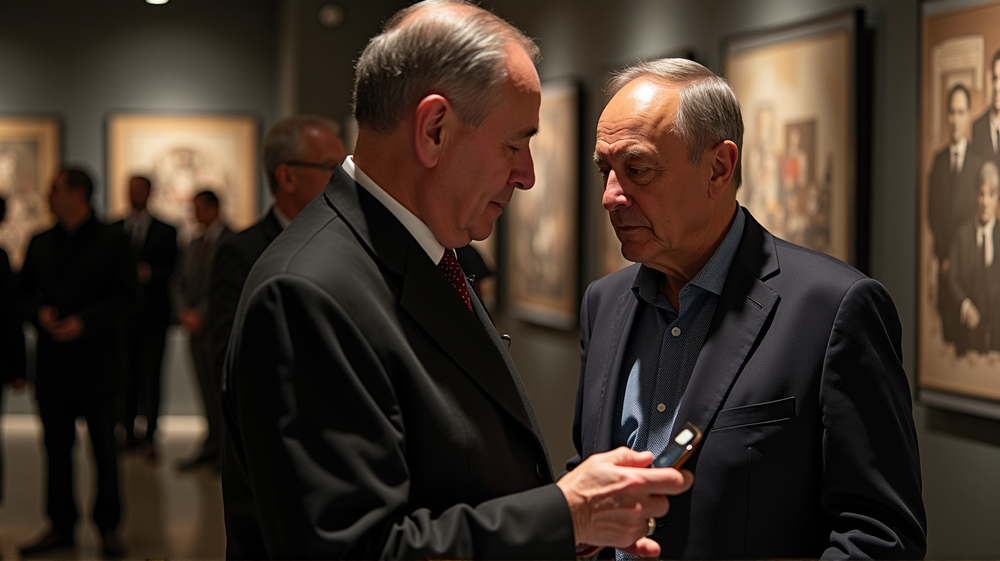
Stepping into the political arena, Chancellor Merz met with Israeli Prime Minister Benjamin Netanyahu. The tete-a-tete focused on an array of international issues, emphasizing the alignment of shared interests and the nurturing of bilateral cooperation moving forward. The dialogue signified a mutual commitment to further strengthening diplomatic ties.
Yad Vashem Visit: A Solemn Tribute
Chancellor Merz did not miss the opportunity to visit Yad Vashem, the World Holocaust Remembrance Center. In a poignant ceremony, he paid his respects and laid a wreath, acknowledging the dark past while expressing hope for a more harmonious future. The visit underscored the gravity and importance of remembrance as a bridge to understanding and reconciliation.
Challenging Historical Narratives
Merz’s visit is not just symbolic; it’s a gesture aimed at addressing historical tensions and building a stronger future. By confronting shared history, both leaders are working towards a narrative of hope and unity, forging a path of peace and mutual respect.
Vision for Future Collaboration
As the discussions unfolded, key themes emerged focusing on technology, innovation, and joint economic ventures. Both leaders envision future partnerships that could redefine aspects of economic growth and technological advancement, spreading wide-ranging benefits for both nations.
Navigating Complex Political Terrains
While the visit has been largely positive and set against a backdrop of mutual optimism, challenges remain. Past tensions sometimes cast long shadows, but leaders on both sides are keenly aware of the importance of cooperation, particularly in today’s nuanced geopolitical climate.
According to Haaretz, this visit heralds a new era of cooperation and mutual understanding that could shape the face of future diplomacy.
This visit serves as a blueprint for what can be achieved when nations come together with a shared vision for peace and progress, demonstrating that diplomacy and dialogue can steer the course of history.