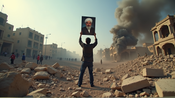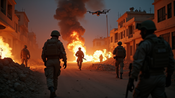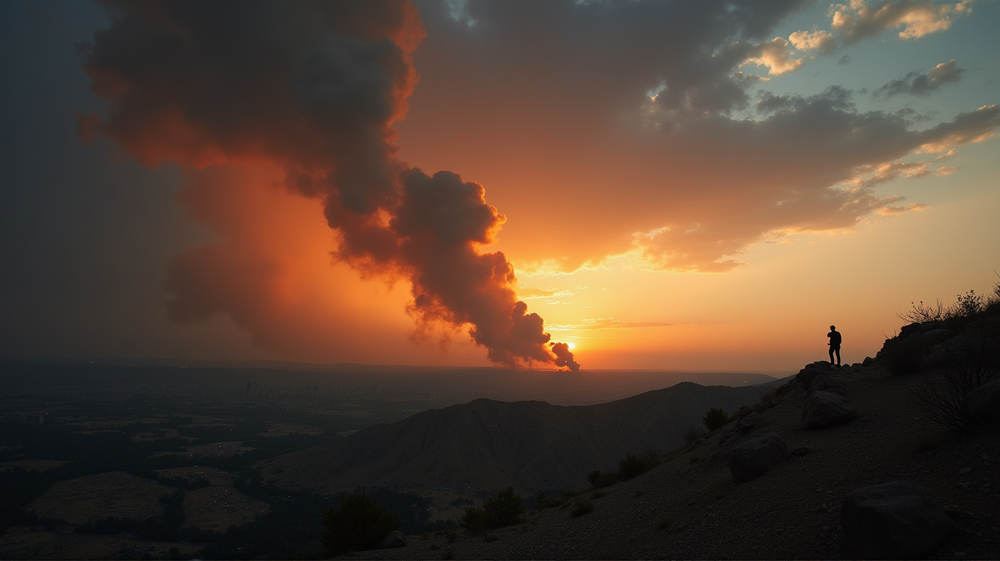
The skies of southern Lebanon reverberate with echoes of conflict as Israeli warplanes unleash a series of strikes, reminiscent of storms that command no mercy. According to Al Jazeera, these dramatic incursions have shaken the foundations of an already fragile ceasefire, further fueling regional tensions. In the serpentine hills of Jezzine and the silent valleys of Zahrani, these recent attacks have cast shadows on the delicate dance of diplomacy between Israel and Lebanon.
Living Under the Constant Threat
Residents in southern Lebanon live under the perennial threat of military strikes, a reality that scars their daily lives with uncertainty and fear. In the words of Al Jazeera’s Zeina Khodr from Beirut, these attacks represent a cruel paradox—a one-sided truce, where ceasefires resonate as mere whispers in the noise of conflict. The Israeli military claims to target Hezbollah’s elite Radwan Force in a bid to dismantle perceived threats to its sovereignty.
Strategic Calculations and Regional Strife
The Israeli bombardment is more than military theater; it is a calculated pressure campaign aimed at subduing Hezbollah. Israel’s insistence on the group disarming forms the crux of the ongoing strife, with the Bekaa Valley becoming a focal point of contention. While the military asserts strategic necessity, the United Nations warns such actions may constitute war crimes, citing significant civilian casualties despite the absence of attacks on densely populated areas.
The Shadow of Diplomacy
Amid these tumultuous events, diplomacy surfaces as an olive branch swaying precariously in the stormy winds of international politics. Lebanon and Israel’s new diplomatic overtures represent a step towards dialogue, albeit mired in the complexities of national pride and strategic interests. President Joseph Aoun’s commitment to negotiations is a testament to Lebanon’s preference for dialogue over conflict, yet it is a path fraught with challenges.
A Future in Balance
The delicate framework of talks, shadowed by Hezbollah’s refusal to disarm and Israel’s relentless military campaigns, keeps the international community in a state of watchful anticipation. Israeli air superiority poses an enduring challenge, while Hezbollah’s strategic aspirations remain unwavering amidst regional pressures. As both nations engage in cautious diplomatic choreography, the world waits anxiously for a resolution where peace doesn’t walk in lockstep with war.
Hopes for Resolution
While military maneuvers echo across the landscape, the recent dispatch of envoys suggests a possibility of reining in the conflict through dialogue. However, Hezbollah’s skepticism regarding Lebanon’s diplomatic moves underscores the deep-seated mistrust that complicates these engagements. The path to peace appears arduous, but the resolve for a peaceful future shines dimly under a sky painted with uncertainty.
As the specter of conflict looms over the Middle East, this delicate intricate dance between war and peace continues to unfold, leaving an indelible mark on the history of both nations and the broader region.