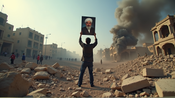
The complex and often turbulent geopolitical landscape of the Middle East has taken a heartbreaking turn for a family in the West Bank. A young Palestinian boy grapples with a severe form of cancer, desperately needing specialized care that remains just out of reach due to bureaucratic red tape.
At the Heart of the Conflict
Israeli authorities have positioned a firm stance against allowing this five-year-old, who resides in the West Bank, to enter Israel. The reason? His documentation lists an address in Gaza, a detail that has stalled his journey towards crucial, life-saving treatment. This bureaucratic barrier continues to loom large, casting a shadow over a family already engulfed in personal tragedy.
The Boy Who Can’t Walk
The child’s mother is calling for urgent action as she watches her son’s health deteriorate. His ability to walk diminishes daily—a vivid reminder of the urgency that characterizes his medical needs. Having lost her husband to the same disease, she now faces a hauntingly similar path with her young child, in a case that emphasizes the human toll of political entanglements.
Ace Cost of Separation Aid Specialists
With specialists in the region prepped to deliver essential care, yet unable to do so, the message is clear—political boundaries continue to eclipse humanity in some of the world’s most desperate circumstances. Even as a potential alternative—traveling to Jordan—stands offered, it also represents a significant logistical, emotional, and financial strain on a family already at the edge.
The Wider Echoes
The boy’s plight isn’t just a tale of personal suffering; it mirrors the broader struggles of Palestinians living under restrictions that fragment families and deny them critical services. As stated in Haaretz, this case underlines the complex layers of political bureaucracy intertwined with human lives across borders.
A Call for Compassion
While the political arena debates the criteria of movement between Gaza and Israel, this story beckons a broader humanitarian call, a plea for compassion that transcends boundaries and offers hope over hardship. The poignant disparity between the need for a child’s safety and the inexorable pace of politics is a testament to the ongoing struggles in the region.
In the midst of political strife and barriers, stories like this urge for pathways paved by empathy, reminding us of the intrinsic human element often overshadowed by the urgent call of geopolitical realities.