Introduction: The Controversial Exclusion
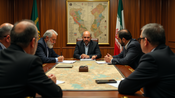
In a surprising turn of events, Tony Blair, the former UK Prime Minister, finds himself excluded from a crucial peace board established by former US President Donald Trump. Initially named as a key figure in Trump’s ambitious 20-point plan to resolve the enduring Israeli-Hamas conflict, Blair’s involvement met with significant resistance from the Arab world, leading to his eventual removal.
Background of the Peace Initiative
Unveiled by Trump in late September, the plan aimed to create a practical framework for achieving peace in Gaza. According to The Jerusalem Post, Blair was the sole individual publicly identified by Trump to play a pivotal role on the board. However, his appointment was met with skepticism and disapproval from various Arab leaderships.
The Role of Tony Blair
Tony Blair, known for his diplomatic endeavors post-premiership, was expected to leverage his international experience and influence. As stated in The Jerusalem Post, his presence was anticipated to bring a balancing force to the peace negotiations, providing insights drawn from his time leading the UK and his subsequent peacemaking projects.
Reactions to the Exclusion
The announcement of Blair’s exclusion has ignited a media frenzy, drawing reactions from political analysts, international relations experts, and the public. Arabic factions, staunch in their objection, argue that Blair’s past political decisions had caused a lack of trust, making his role in peace talks contentious.
Middle Eastern Perspectives
The response from the Middle Eastern parties underscores the complexity of regional politics. Their objection—rooted in historical grievances—signaled a clear unwillingness to accept Blair as neutral arbiter in such a sensitive matter. The Arab League’s unanimous opposition marked a decisive moment in shifting the power dynamics within the board.
Implications for Future Peace Talks
The controversy surrounding Blair’s involvement highlights the challenges of global diplomatic initiatives, especially when cultural and historical contexts are deeply embedded. Moving forward, Trump’s board will need to address these tensions by seeking involvement from more widely accepted figures or organizations that can ensure neutrality and balance.
Conclusion: The Quest for Peace Continues
While Tony Blair’s exclusion might appear as a setback, it also signals an opportunity. Essential to the peace process is finding common ground and recognizing sensitivities. The future course of Trump’s peace efforts must be inclusive, taking into account the differing perspectives of the involved parties.
Tony Blair’s departure from the scene opens a dialogue on who might step forward to fill the void and continue the challenging but critical journey toward lasting peace in Gaza.