Echoes from Chernobyl: A Resilient Legacy
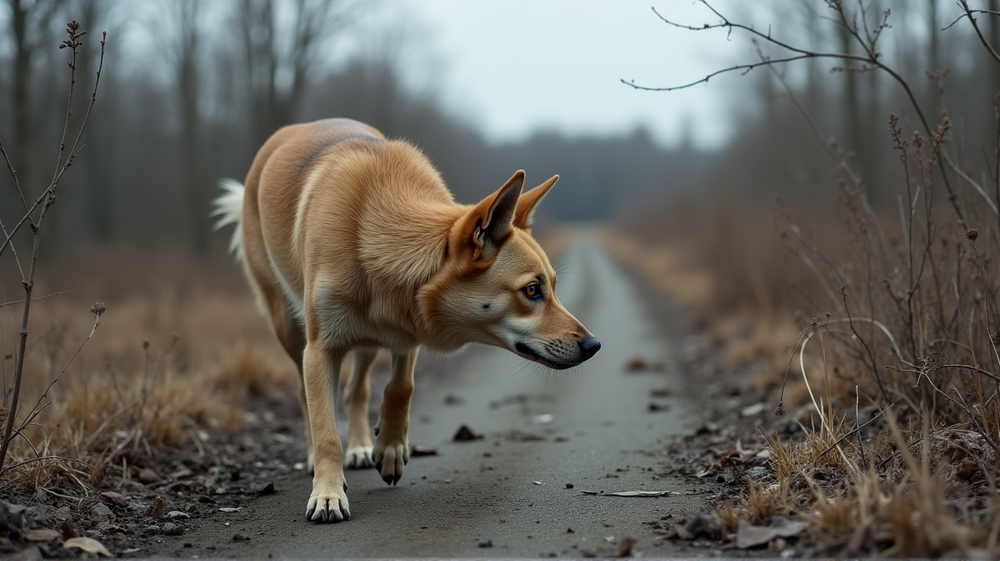
On the fateful morning of April 26, 1986, the world witnessed the catastrophic explosion of the Chernobyl Nuclear Reactor, casting a long shadow of radiation over Northern Ukraine. While human life fled, the area was left to nature—and a hardy population of feral dogs now stands as a testament to the resilience of life amidst adversity.
The Genesis of a Phenomenon
These dogs, the descendants of pets left behind in the wake of disaster, have lived for nearly four decades under conditions most life forms would find hostile. Within the eerily quiet Chernobyl Exclusion Zone, these animals form a thriving testament to nature’s adaptability and perseverance. Biologists are now keenly investigating these curious canines to comprehend the genetic shifts shaped by this radiation exposure.
Unraveling Genetic Mysteries
In a groundbreaking study published in Science Advances in 2023, researchers from the University of South Carolina and the National Human Genome Research Institute delved into the genetic composition of 302 feral dogs from this region. Could they have adapted new genes that confer an edge, allowing them to flourish in such a demanding habitat? Elaine Ostrander, a leading figure in dog genomics, expressed it poignantly in an interview with The New York Times: “How have they coped genetically?”
Nature’s Persistence: The Wider Implications
Scientists have long studied the radiation impacts on Chernobyl’s wildlife, uncovering remarkable instances of evolution. In 2016, a study highlighted Eastern tree frogs that evolved a black-spanning mutation in melanin within the zone, suggesting beneficial adaptations to dissipate residual radiation—an echo of the evolution now observed in the dogs.
Canine Evolution: A Genetic Puzzle
The feral dogs display distinct genetic variations from their counterparts merely miles away, suggesting a possible rapid evolution. According to Matthew Breen from North Carolina State University, while detectable mutations should exist, offering survival advantages born of radiation’s challenge, no definitive evidence has surfaced—yet this exploration is only the beginning.
The Unraveling Story of Chernobyl’s Canines
Intriguingly, despite the challenges these animals have faced, their enduring presence provokes more questions about the profound and lingering impacts of Chernobyl on life. According to Daily Express US, these findings could chart new territories in understanding radiation, genetics, and evolution.
As we delve deeper into the world of Chernobyl’s resilient dogs, their story is one of survival, adaptation, and an enduring mystery that continues to captivate the scientific community and beyond.