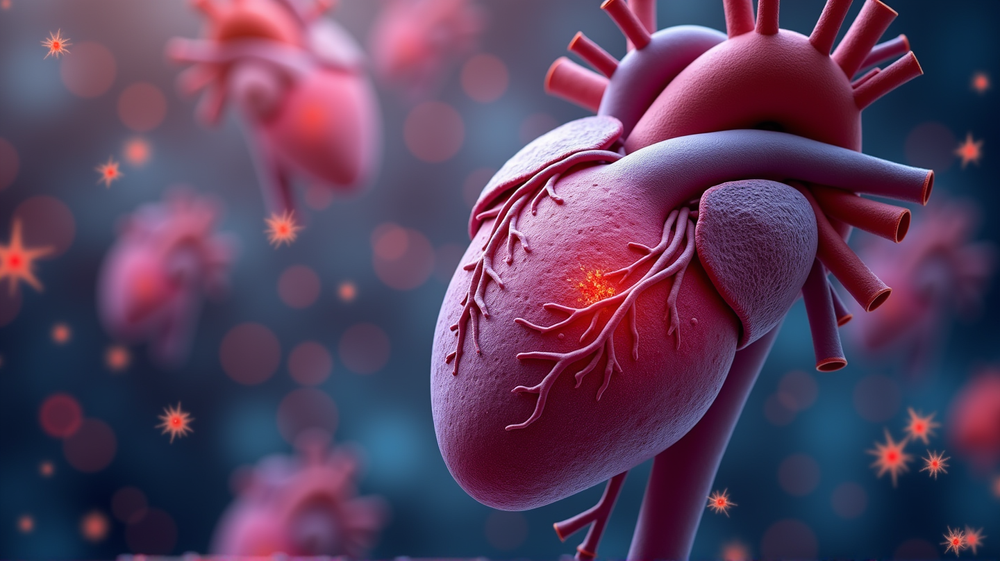
Stanford scientists have made a significant leap in understanding why a select few individuals experience a rare cardiac condition after receiving COVID-19 vaccines. This groundbreaking research reveals that two specific immune signals, CXCL10 and interferon-gamma, may contribute to myocarditis in young males, a condition characterized by chest pain and shortness of breath. These findings promise a path toward safer vaccines and potential treatments.
The Discovery Process
By employing human plasma, lab-grown heart tissue, and mice modeling, Stanford researchers observed that after an mRNA vaccine shot, especially the second dose, unusual spikes in the cytokines CXCL10 and interferon-gamma stressed heart cells. “When we block these two with antibodies, the cardiac damage goes down,” explained Dr. Joseph Wu, head of the Stanford Cardiovascular Institute, signaling a major step forward in unraveling this medical mystery.
The Role of Gender and Hormones
Interestingly, the condition predominantly affects teenage boys and young men. The study suggested that estrogen might offer some protection, as evidenced by reduced inflammation in male test subjects. This led to investigating genistein, a soy-derived phytoestrogen, which similarly mitigated cardiac inflammation without compromising vaccine efficacy. “This opens new avenues for therapeutic approaches,” stated Dr. Amir Munir, a UCSF cardiologist.
Implications for Vaccine Safety
Despite these findings, the authors caution against avoiding mRNA COVID-19 vaccines like Moderna or Pfizer, emphasizing the rarity of myocarditis post-vaccination. Adjusting vaccine schedules, such as extending intervals between doses, could reduce this risk, aligning with practices observed in countries like Canada earlier in the pandemic.
Path Forward in Myocarditis Treatment
This research not only unveils mechanisms behind vaccine-related myocarditis but also paves the way for developing treatments for myocarditis from other causes. Currently, no FDA-approved treatments exist, underscoring the importance of such studies in crafting targeted approaches to manage inflammation. As stated in KQED, the promise of safer and more effective mRNA vaccines and myocarditis therapies lies on the horizon.