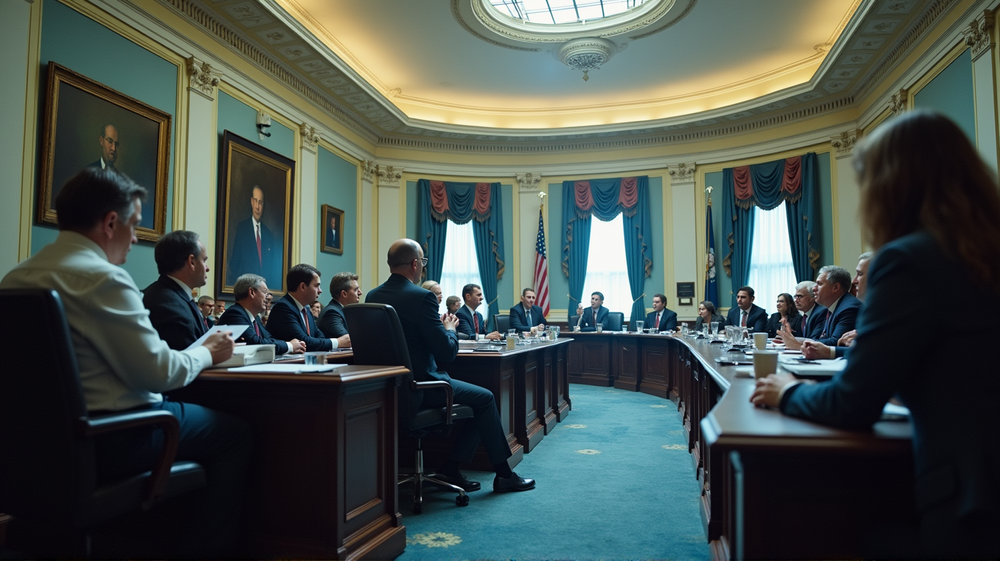
As lawmakers find their seats back in Washington D.C. on December 1st, an urgent matter awaits their attention. In a matter of weeks, Congress must decide whether to continue the Affordable Care Act (ACA) subsidies instituted during the Biden era. Failing to extend these subsidies could usher in a wave of financial turmoil for millions of Americans dependent on affordable health insurance.
A Race Against Time
When the Senate reconvenes, one of its initial tasks will be to deliberate on the extension of these crucial subsidies. A vote is anticipated in the early weeks of December, but the outcome remains unpredictable. With political tensions looming, there is no certainty whether the House of Representatives will even consider the bill, leaving the future of these subsidies in limbo.
Trump’s Stance Adds to the Uncertainty
Former President Donald Trump’s comments have only added fuel to the fire. While expressing a potential openness to a temporary extension of the subsidies, he simultaneously criticized the ACA, branding it the “Unaffordable Care Act” and vilifying it as a significant policy failure. Such contradictory views make it challenging to decipher the legislative future of the ACA subsidies.
Historical and Political Battles
Republicans have consistently set their sights on dismantling the ACA since Trump’s initial presidential term, eyeing opportunities to repeal and replace it. Yet, these efforts have notably fallen short. Proposals such as bolstering health savings accounts to compensate for higher premiums without subsidies have been considered. However, garnering bipartisan support for such measures, especially amidst pressing timelines, poses a formidable challenge.
Consequences of Inaction
According to an analysis by the nonpartisan Congressional Budget Office, the stakes of inaction are incredibly high. Without extension, health insurance costs will rise sharply, potentially leading millions to lose their coverage over the coming decade. The repercussions extend beyond individuals, affecting families and the healthcare sector at large.
As stated in Scripps News, this critical juncture poses a choice to lawmakers, compelling them to act responsibly and acknowledge the profound impact their decision will have on millions of Americans who rely on affordable health insurance.
Will Congress overcome party divisions to secure the financial well-being of their constituents? Only time will reveal the outcome of this consequential debate.