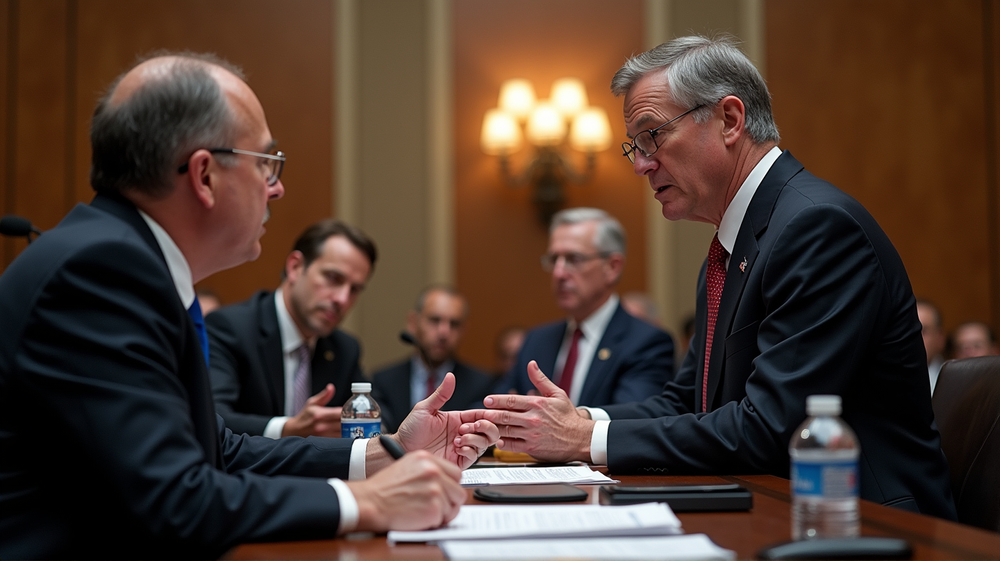
The U.S. Senate recently faced a significant roadblock after failing to advance two competing health care proposals. Both Democratic and Republican bills aimed at addressing the anticipated spike in costs for millions of Americans as enhanced Affordable Care Act (ACA) tax credits near expiration failed to reach the required 60 votes. As the clock ticks down to the end of the year, the Senate remains at a standstill, risking an escalation in premiums that could impact insurance affordability for many.
The Senate Impasse
In a narrow vote of 51-48, the Democrats’ proposal to extend enhanced ACA subsidies for three years fell through. Despite bipartisan support with a handful of Republican senators joining Democrats, it wasn’t enough to push the measure forward. The Republicans’ counter-proposal suggested redirecting funds towards health savings accounts for lower-tier ACA plan purchasers also met with the same fate.
According to political analysts, such as those reported by ABC News, this deadlock has the potential to aggravate the health care crisis, significantly affecting the financial vulnerability of American households.
Pointing Fingers and Seeking Solutions
The aftermath of the failed votes spurred a wave of blame across party lines. Senate Minority Leader Chuck Schumer criticized the Republicans for their resistance to extending ACA credits, holding them accountable for perpetuating the healthcare dilemma. In contrast, Senate Health Committee Chairman Bill Cassidy accused Democrats of politicizing healthcare, urging them to seek pragmatic solutions instead.
With time running short, the search for compromise remains intense. Discussions of a possible “hybrid approach” might pave the way forward, merging temporary ACA subsidies with reduced patient deductibles. Ohio Senator Jon Husted remains hopeful that fruitful negotiations will resume in the coming week.
Presidential Intervention or Inaction?
Amidst these political maneuvers, questions loom about President Donald Trump’s involvement in steering a resolution. While Trump has proposed giving direct financial aid to citizens for healthcare expenses, specifics remain elusive. The President’s engagement could be pivotal in bridging the legislative divide, but expectations remain uncertain as negotiations continue.
Countdown to Crisis
As the year draws to a close, the Senate’s failure to act could leave millions facing the reality of exorbitant insurance costs. The complex interplay of political ideologies, economic imperatives, and urgent public need forms a challenging nexus for policymakers. Whether a concession or breakthrough will emerge remains uncertain, and the stakes have never been higher for American health care consumers.
In these unpredictable times, staying informed about healthcare policies and their implications becomes not just news but a necessity for Americans navigating the healthcare landscape.