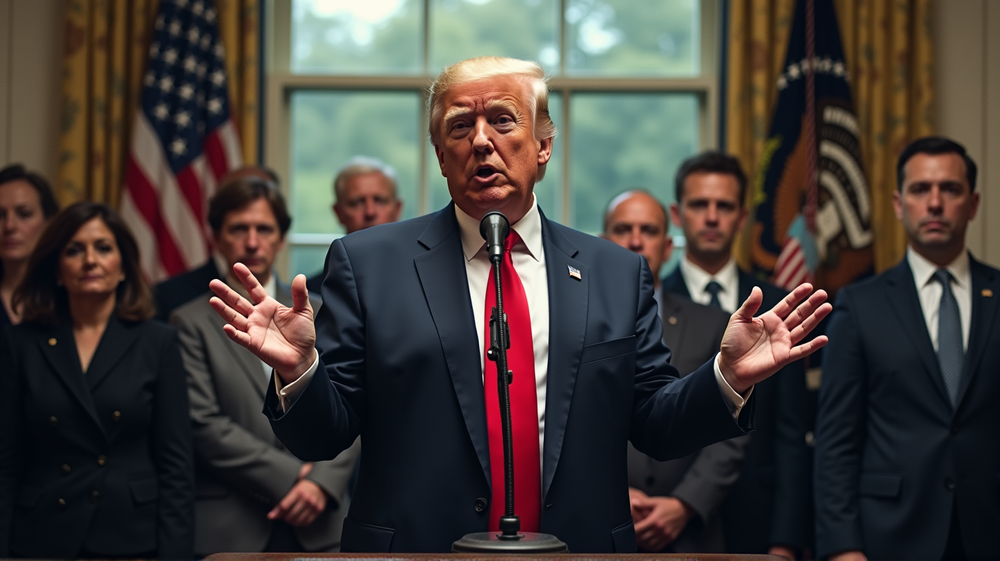
In an impassioned move that is already stirring debate, the US President has declared he will “permanently pause migration from all third world countries,” following a national tragedy. This announcement was made in the aftermath of an attack that resulted in an emotional outcry and a political turning point for the President’s immigration policies.
A Tragic Catalyst
The incident in question involved a shooting near the White House, targeting national guard members. The suspect, Rahmanullah Lakanwal, an Afghan national, has brought to light concerns about current immigration and asylum processes. Lakanwal, injured and in custody, has seen his actions become a pivot for Trump’s renewed rigid stance.
A Bold Announcement
Trump’s late-night Thanksgiving post on social media was not only unexpected but also intense in its rhetoric, targeting immigrants and urging an intense national security overhaul. This came with promises to dismantle federal benefits for noncitizens and expel those not deemed ‘assets’ to the United States, raising constitutional concerns given past legal challenges to similar actions.
The Question of Implementation
While Trump’s resolve to cut off migration seems straightforward, the practicality and legality remain murky. Past attempts to enforce similar bans were met with relentless legal challenges. The statement was vague about its execution, sparking speculation over potential judicial showdowns and congressional responses. As stated in The Guardian, these movements ramp up an already aggressive immigration crackdown under the Trump administration.
Rapid Policy Shifts
In tandem, the administration has paused visa issuances for Afghan nationals and is reviewing immigration approvals previously granted under Biden’s administration. These swift changes reflect a broader strategy to deal with asylum and TPS (Temporary Protected Status) designations, alleging misuse and advocating for tighter controls.
Impact and Opposition
The implications of Trump’s announcements have already hit a nerve across various communities, particularly those already under scrutiny. Somali communities, especially in Minnesota, have been highlighted amidst these declarations. Criticism and support are quickly polarizing an already contentious issue concerning US immigration policy.
Looking Ahead
National guard reinforcements and the halted visa processes signify an intensified approach to border control. As the political landscape continues to heat up, the ongoing debate on immigration is likely to see new facets emerging as both policy and public emotions continue to evolve.
These developments underscore a turbulent yet pivotal moment, setting the stage for what could become defining discussions in US immigration policy and national security. With each announcement and response, the narrative of a nation divided over who it welcomes and why grows ever more complex.