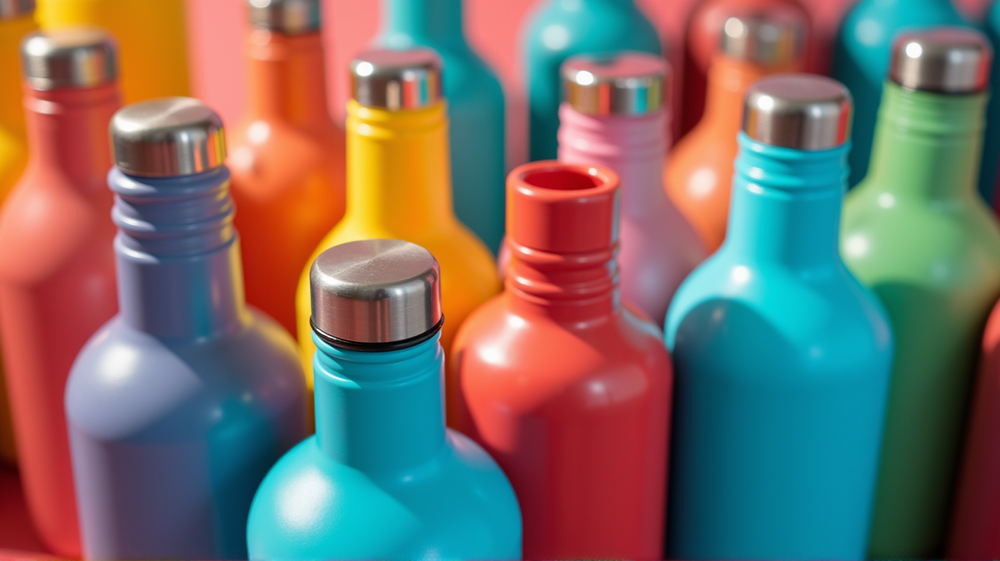
The Rise of the Bottle-as-Accessory Phenomenon
In an era where appearances often take precedence over necessity, the humble cup has transcended its basic functionality to become a striking emblem of personal identity and social status. Upon entering any college campus or public park, you’d spot individuals adorned not just with the latest fashion but with cups that scream individuality. Indeed, the trend of cup consumerism has shifted from a practical convenience to an essential part of one’s ensemble.
An Environmental Mirage?
Statistics reveal that around 60% of adults in the United States have caught onto the reusable water bottle fad. On the surface, this shift might appear commendable for championing environmental consciousness. However, this trend unmasks a paradox — it also perpetuates a culture obsessed with material consumption. In an ironic twist, eco-friendliness has ultimately led to excess buying, where the thrill of acquiring a stylish bottle supersedes its basic purpose of quenching thirst.
The Notoriety of the Bearista Cup
Consider the iconic Starbucks “Bearista” cup, which gained infamy virtually overnight. Limited edition cups frequently become the epicenter of chaos, with customers enraged over employee purchase rights. Yet, these limited cups, though special in notoriety, fetch exorbitant prices on resale markets. One wonders, is this capitalism at its finest or merely an inflated spectacle over a superficial want?
The Social Etiquette of Bottle Ownership
The hierarchy of bottle ownership perpetuates an unspoken social code — one where the brand of your water bottle decides your place in society’s fabric. In settings from universities to fitness centers, owning the latest Hydro Flask or Stanley bottle is akin to wearing a badge of belonging. Yet, this code reveals itself as an echo from adolescence, where one scratches a bottle at their peril, comparable to a misstep with one’s vehicle.
Beyond Functionality: The Deep-Seated Impact
While hydration remains a fundamental human need, the allure of cup consumerism unveils a deeper societal issue. The obsession with bottle aesthetics over quality suggests an alarming pivot from practicality to compulsion. This culture isn’t about hydration but rather about indulging in the superficial symbolism that bottles today represent.
According to The Pitt News, this phenomenon mirrors larger consumer patterns where appearance triumphs over essence. It’s a tale you’ve heard before, but with cups as the medium, drawing our curiosity and leaving us to question — when did something so simple become so opulent?
Angel Rodriguez, in his insightful critiques, explores the intersections of identity, consumer behavior, and societal values. Engaged readers can connect with his thoughts and reflections via [email protected] .
Share on Facebook Share on X Email this story Print this story